ESAS-r Symptom Score Calculator: Streamlining Palliative Care Assessment for Pain and Cancer Specialists
A comprehensive guide to using the ESAS-r Symptom Score to streamline palliative care assessment for pain and cancer specialists.
Quick Navigation
- 1. Introduction: The Symptom Challenge
- 2. What is the ESAS-r Symptom Score?
- 3. The Clinical Importance of ESAS-r
- 4. Evidence and Validation
- 5. Methodology and Clinical Utility
- 6. Clinically Important Differences
- 7. Severity Classification Protocols
- 8. How the Calculator Works
- 9. Integration Strategies
- 10. Clinical FAQ
1. Introduction: The Challenge of Symptom Management
In palliative and cancer pain management, clinicians face the constant challenge of systematically assessing multiple symptoms while juggling demanding clinical workflows. The patient presenting with advanced cancer experiences a complex symptom constellation—pain, fatigue, nausea, dyspnea, anxiety, and depression often coexist and fluctuate daily.
Traditional symptom assessment approaches, which rely on unstructured conversations during brief clinic encounters, fail to capture this multidimensional burden consistently. Studies demonstrate that clinicians using unstructured assessment methods miss up to 50% of burdensome symptoms that patients experience [1], [2], [3].
The Edmonton Symptom Assessment System-Revised (ESAS-r) addresses this critical need by providing a validated, rapid screening tool. At OncoToolkit, we've built a digital ESAS-r calculator that transforms this evidence-based framework into an efficient, mobile-responsive clinical decision support tool designed specifically for the realities of modern pain medicine and oncology practice [4], [5].
2. What is the ESAS-r Symptom Score?
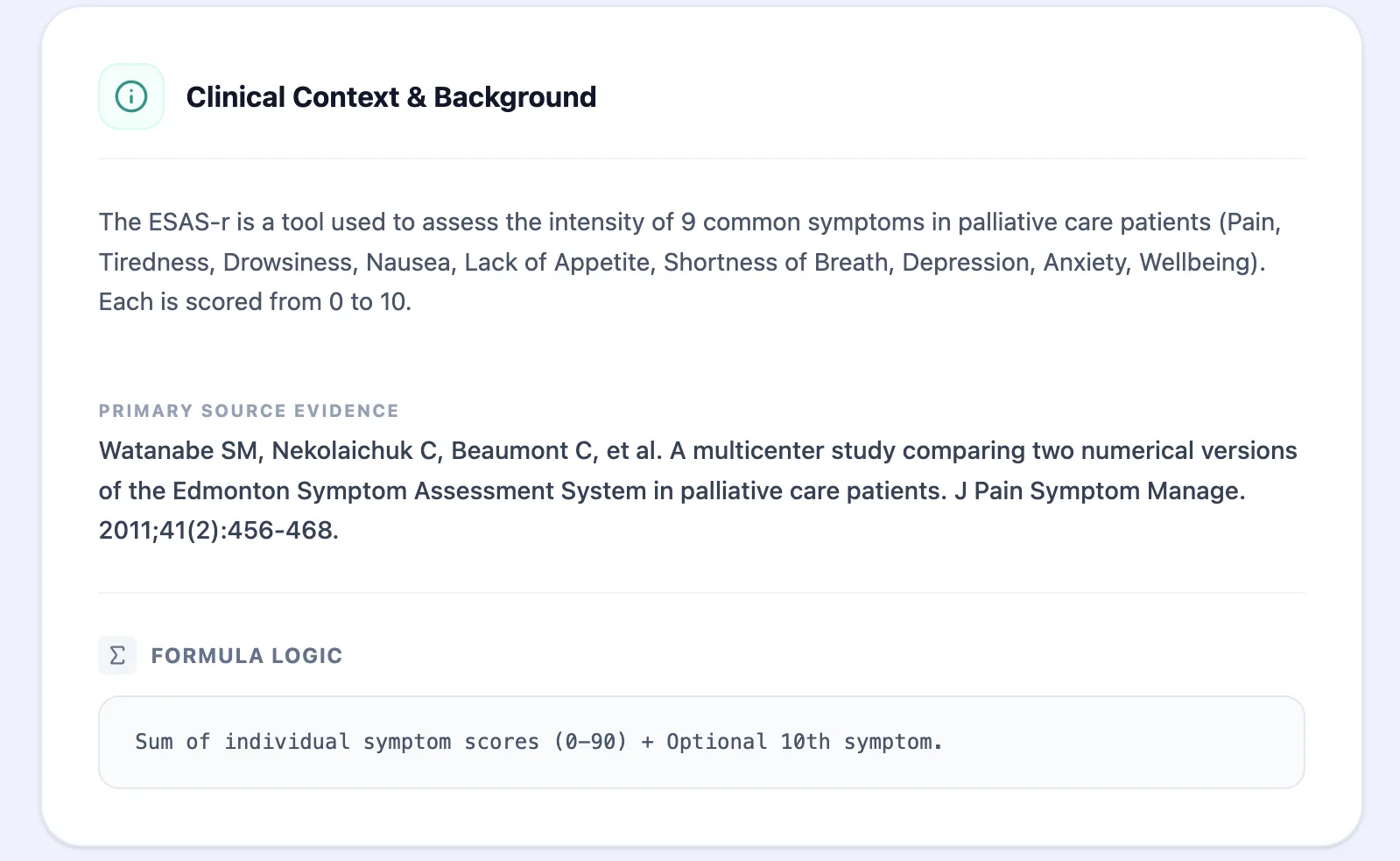
The ESAS-r is a patient-reported outcome measure that assesses the intensity of nine common symptoms encountered in palliative care settings: pain, tiredness, drowsiness, nausea, lack of appetite, shortness of breath, depression, anxiety, and overall wellbeing. Each symptom is rated on an 11-point numerical scale from 0 to 10 [2], [6], [1].
The "revised" designation reflects important modifications implemented in 2011. The ESAS-r improves upon the original tool by specifying "now" as the assessment timeframe, adding brief definitions for confusing symptoms like "tiredness" (lack of energy) and "drowsiness" (decreased alertness), and reorganizing symptom order to group related constructs [3], [7].
Figure 1. The ESAS-r clinical context panel displays the tool's foundational purpose—assessing nine common palliative care symptoms.
3. The Clinical Importance of ESAS-r
For pain medicine specialists, the ESAS-r directly influences treatment selection, opioid titration decisions, and multidisciplinary team communication [10], [11].
Treatment Stratification and Opioid Selection
ESAS-r pain scores provide standardized severity thresholds that align with WHO analgesic ladder principles:
- Mild (1-3):Indicates non-opioid or weak opioid focus.
- Moderate (4-6):Signifies need for comprehensive assessment and therapy adjustment.
- Severe (7-10):Requires immediate intervention with strong opioids [10].
Clinical Insight: Beyond the pain domain, assessment of concurrent symptoms helps clinicians recognize when burden extends beyond a single-modality intervention. A patient with pain (5), nausea (6), and anxiety (7) requires integrated management rather than simple opioid escalation.
4. Evidence and Validation of the ESAS-r Instrument
Psychometric studies demonstrate that the ESAS-r exhibits strong internal consistency across populations, with Cronbach's alpha coefficients ranging from 0.75 to 0.90 [18], [19].
5. The Methodology: Scoring and Clinical Utility
The total symptom distress score (Global Distress Score) is the sum of all nine individual scores (range 0-90). Physical symptom domain scores range from 0-60, while emotional symptom domain scores range from 0-20 [24], [8].
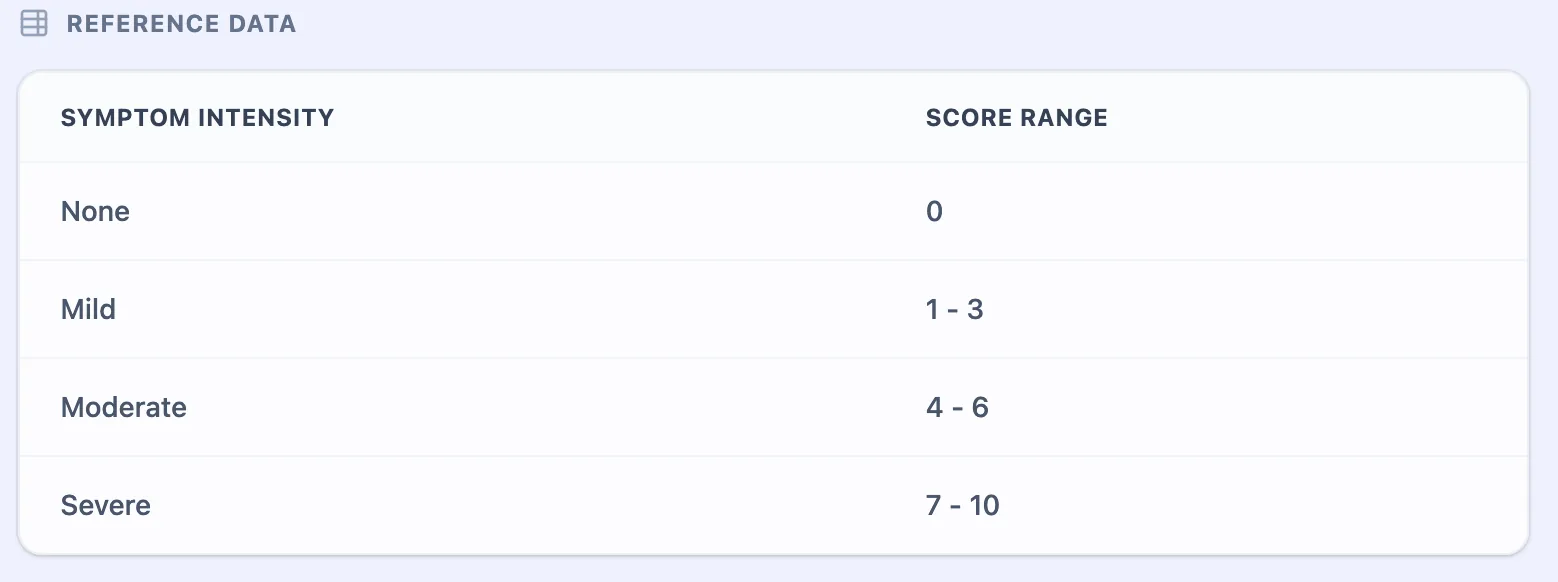
Figure 2. The reference table provides quick-access interpretation guidance, classifying symptom intensity into four categories.
6. Clinically Important Differences
For individual ESAS-r symptoms, the optimal cutoff for clinically meaningful improvement is at least 1 point. This threshold achieved sensitivities and specificities of up to 85% across all symptoms [25].
7. Severity Classification and Protocols
Mild symptoms (1-3)
Generally stable; continue usual management and routine monitoring [27].
Moderate symptoms (4-6)
Further comprehensive assessment recommended; goal is to reduce intensity to 3 or less within 4 hours [1].
Severe symptoms (7-10)
Unstable symptom requiring urgent, mandatory immediate intervention [27].
8. How the OncoToolkit ESAS-r Calculator Works
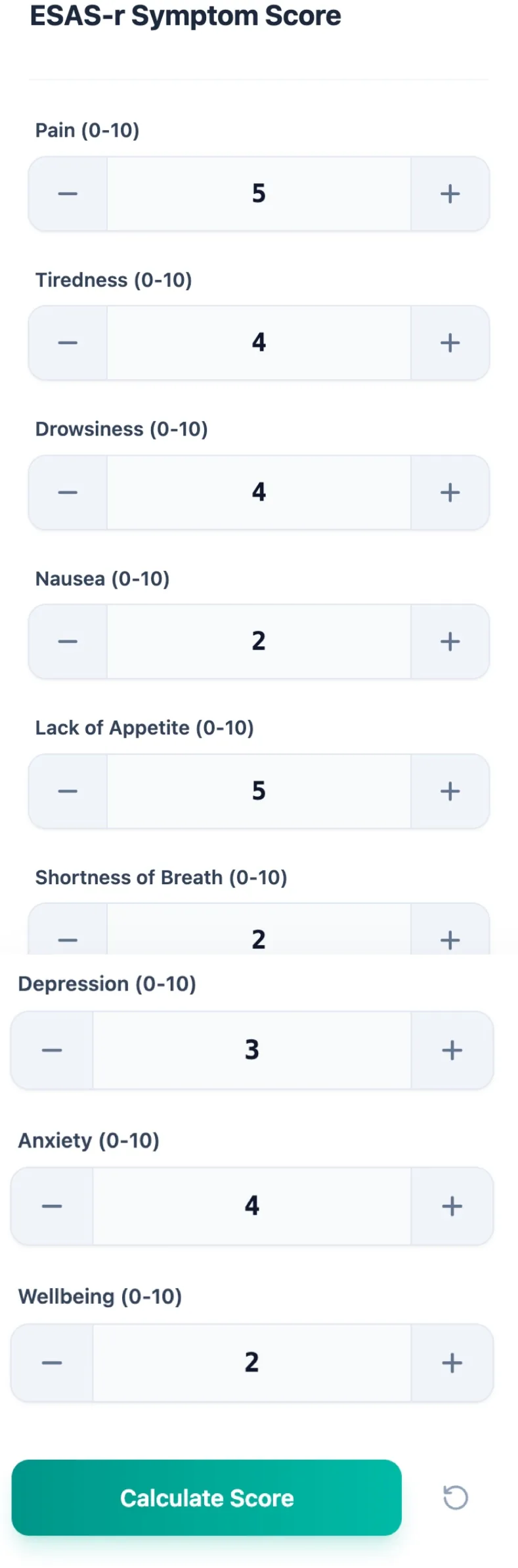
Figure 3. The input interface displays all nine core symptoms with intuitive increment/decrement controls.
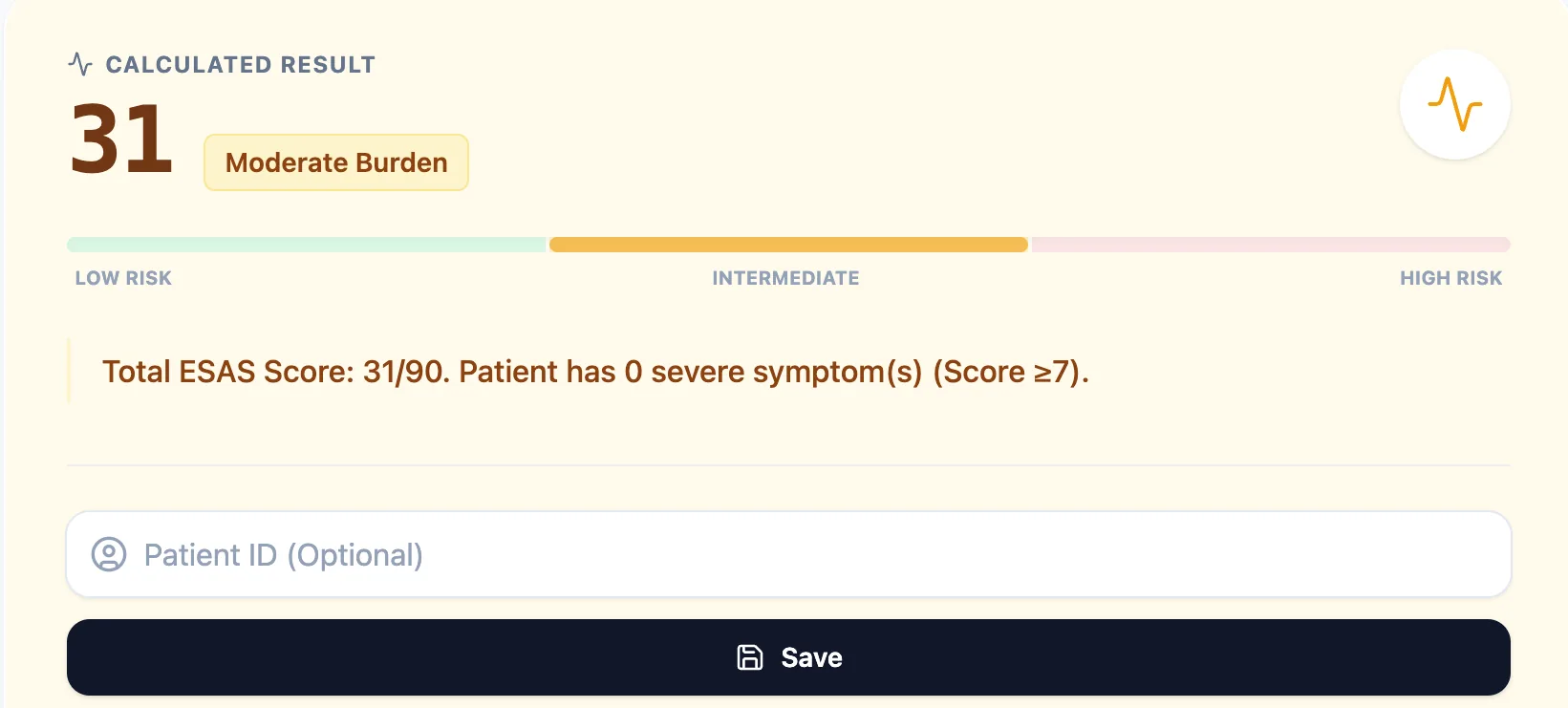
Figure 4. The results display shows a total ESAS-r score with immediate severity classification.
9. Integrating ESAS-r into Clinical Practice
- Routine Clinical Decision Support: Systematic pre-visit screening to prioritize high-priority patients (symptom score of 7 or higher) [33].
- Education and Simulation: Teaching trainees interpreting patterns of symptom distress [16].
- Research & QI: Standardized outcome measures for trials and institutional benchmarking [17].
10. Clinical FAQ
Can the ESAS-r be used in patients with cognitive impairment?
The ESAS-r is designed for self-report. For patients with moderate-to-severe dementia, caregiver proxy reporting is necessary, though ratings may differ from patient self-report [28].
How does the ESAS-r differ from the MSAS or POS?
The ESAS-r occupies an efficiency niche—rapid screening of core domains in under 2 minutes, whereas MSAS assesses 32 symptoms and takes longer [39].
References
- 1. Interior Health. ESAS-r Guidelines.
- 2. Alberta Health Services. ESAS-r Administration Manual.
- 3. Watanabe SM, et al. Revised Edmonton Symptom Assessment System (ESAS-r). J Pain Symptom Manage. 2011.
- 4. openEHR CKM. Edmonton Symptom Assessment System Archetype.
- 5. Hui D, Bruera E. The Edmonton Symptom Assessment System 25 Years Later.
- 6. AHS. ESAS-r Quick User Guide.
- 7. Watanabe SM, et al. Comparison of ESAS-r and ESAS. PubMed.
- 8. JAMA Network. Prognostic Value of Global Distress Score.
- 9. PMC. ESAS-r and Survival in Advanced Cancer.
- 10. Cancer Care Alberta. Guideline for Cancer Pain.
- 11. Semanticscholar. ESAS-r in Clinical Communication.
- 12. JPalliativeCare. Triage Coding System Using ESAS.
- 13. Cancer Nursing Today. Outpatient Symptom Screening.
- 16. ASCO Publications. Digital Health Tools in Oncology.
- 17. PMC. Electronic ESAS Validation in India.
- 18. ScienceDirect. ESAS-r Reliability and Validity.
- 19. PMC. Chinese Validation of ESAS-r.
- 21. ScienceDirect. Thai Translation of ESAS-r.
- 24. PMC. Scoring Domain Methodology.
- 25. PMC. Minimal Clinically Important Differences.
- 27. Northern Health. ESAS-r Graph Interpretation.
- 28. MOQC. PRO Tool Guide for Clinicians.
- 33. Bruyere Reports. ESAS Palliative Care Integration.
- 39. PMC. IPOS and ESAS Comparative Utility.
Ready to Simplify Symptom Assessment?
Streamline your palliative care workflow with our validated ESAS-r digital tool.
Use the ESAS-r Calculator
Free to use. No registration required.